

What Exterior Storm Damage Should You Document for an Insurance Restoration Claim?
When a severe storm moves through Southeast Wisconsin or Northeast Illinois, the most obvious damage often receives attention first. A missing shingle, broken window, or large piece of siding on the ground is hard to overlook. However, not every problem is immediately visible.
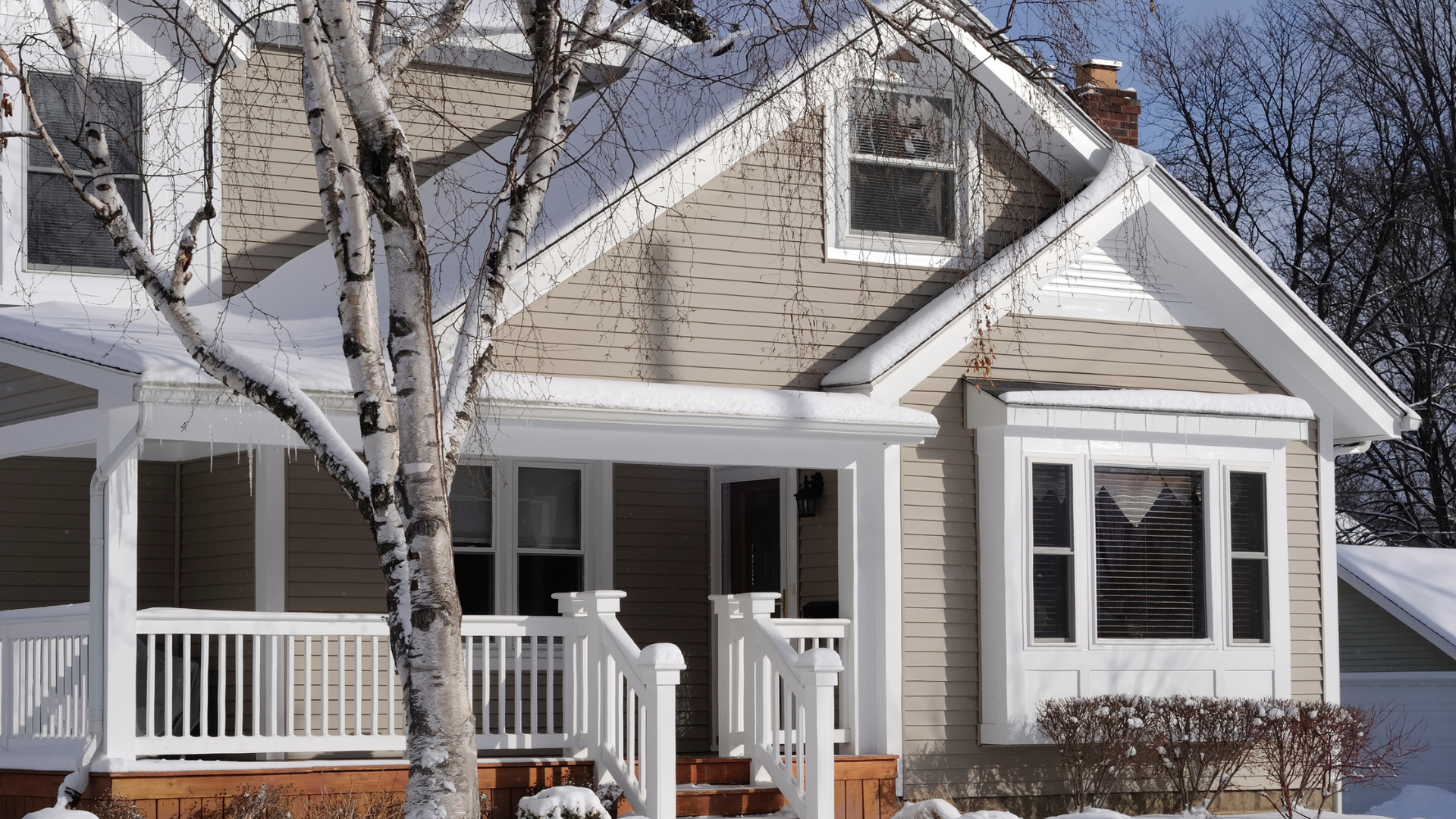
Hail can bruise shingles without creating an instant leak. Wind can loosen flashing or lift roofing materials that settle back into place. Siding may develop small cracks that are difficult to see from the yard. These conditions can become more serious after additional rain, snow, freezing temperatures, or strong winds.
Careful documentation can help create a clearer record of the loss. It gives the insurance company, adjuster, and restoration contractor more accurate information to review. It can also reduce confusion about which damage may have resulted from the storm and which conditions were already present.
This guide explains what homeowners should document after a storm, which exterior areas are commonly missed, and how to prepare useful information for insurance restoration claims.
Why Detailed Storm Damage Documentation Matters
An insurance company must evaluate the cause, location, and extent of the reported damage before making a coverage decision. A few distant photographs of the house may not provide enough detail to show what happened.
A useful claim record should help answer several basic questions:
- When did the storm occur?
- Which parts of the property were affected?
- What did the damage look like immediately afterward?
- Were temporary repairs needed to prevent additional damage?
- What materials and repairs may be required to restore the property?
Photographs, videos, inspection notes, estimates, receipts, and written communication can work together to create a more complete picture. None of these items guarantees coverage or claim approval, since every policy has its own terms, deductibles, exclusions, and limits. They simply provide the information needed for a more informed evaluation.
Document the Property Before Cleanup Begins
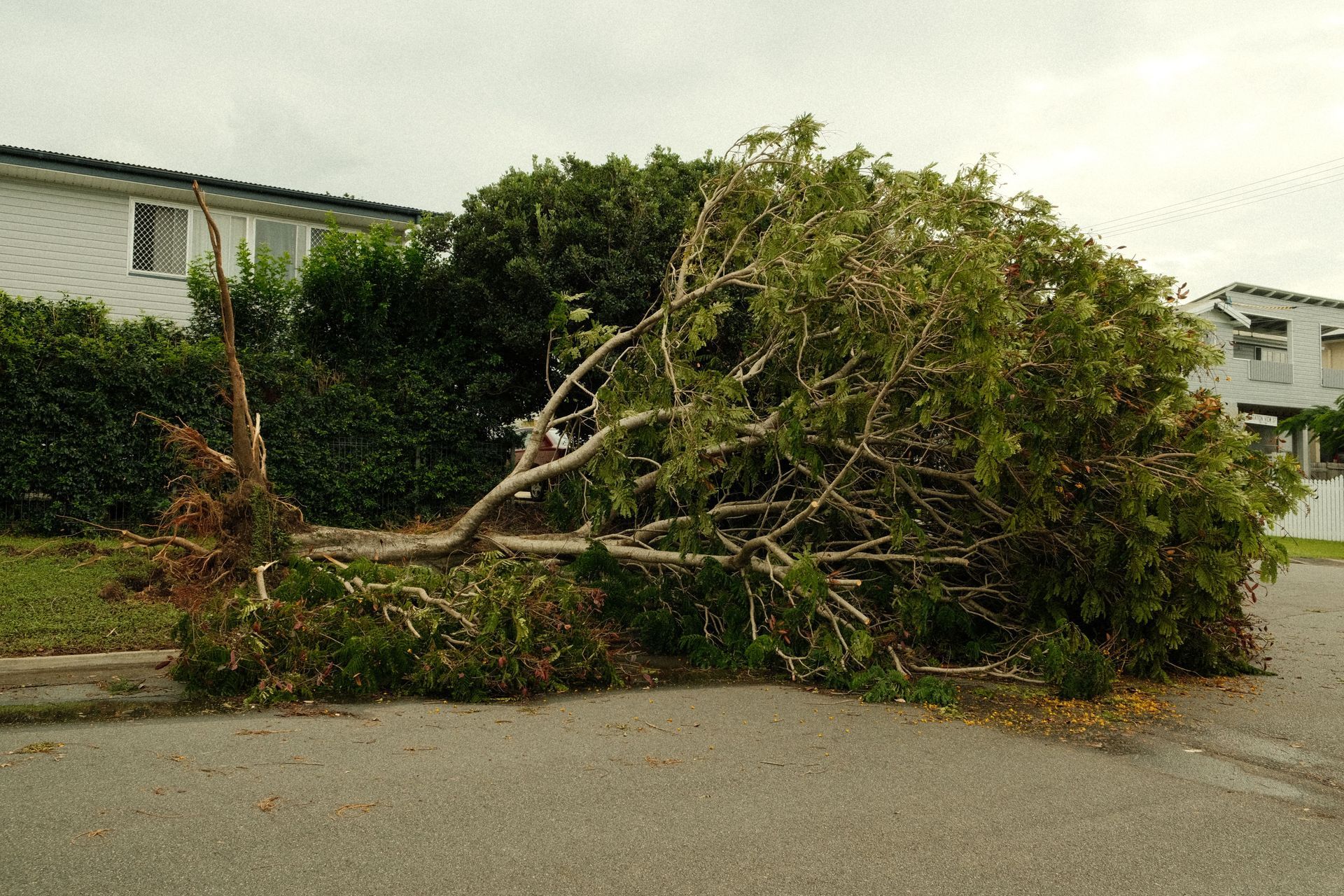
Safety should always come first. Stay away from fallen power lines, unstable trees, broken glass, standing water, and visibly damaged structures. Homeowners should not climb onto a wet, steep, or storm-damaged roof to take photographs.
Once the property is safe to approach, begin documenting its condition before moving debris or making permanent repairs.
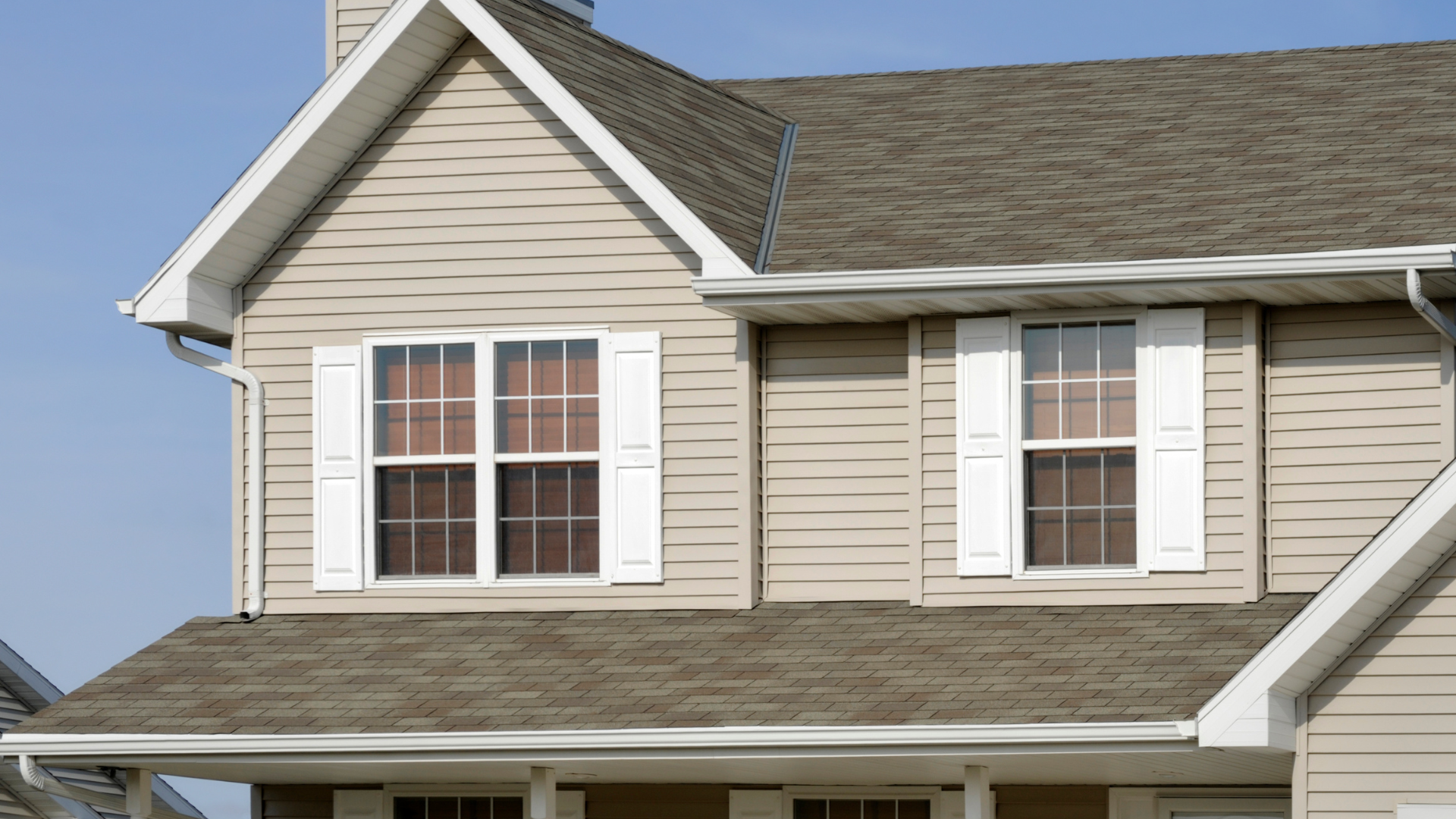
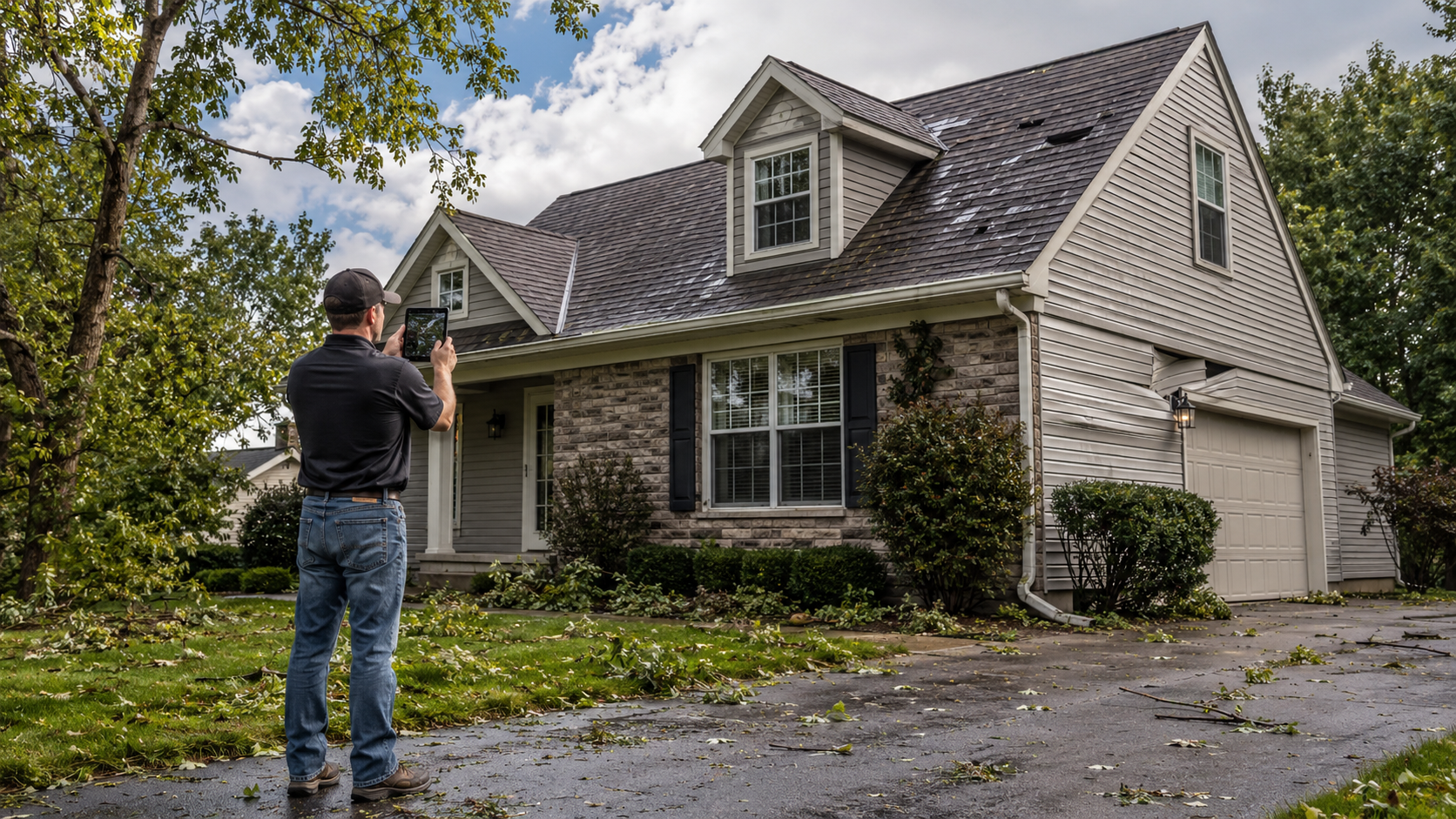
Start with wide photographs of every side of the house. These images establish the overall condition of the property and show where the damage is located. Next, take medium-distance photographs of individual sections, such as one roof slope, a siding wall, or a group of windows. Finish with close-up photographs of specific damage.
This wide, medium, and close-up approach provides context. A close-up of a dent may show the damage clearly, but a wider photograph helps identify where that dent is located on the house.
If possible, keep the original digital files. Most smartphones automatically record the date and time, which can be helpful when organizing the documentation.

Record Information About the Storm
Write down the approximate time and date of the storm while the details are still fresh. Include the type of weather you observed, such as hail, strong wind, falling branches, or wind-driven rain.
You can also save local weather alerts, photographs of hailstones, or videos taken during or immediately after the storm. Place an object such as a ruler or coin beside a hailstone to show its approximate size, but only when it is safe to do so.
These details do not replace a professional inspection or an insurer’s investigation. They provide supporting context for the reported loss.
Check More Than the Roof
Roofing receives much of the attention after severe weather, but an insurance restoration claim may involve several connected exterior systems. Looking at the entire property can help prevent related damage from being missed.
Roofing, Flashing, and Roof Accessories
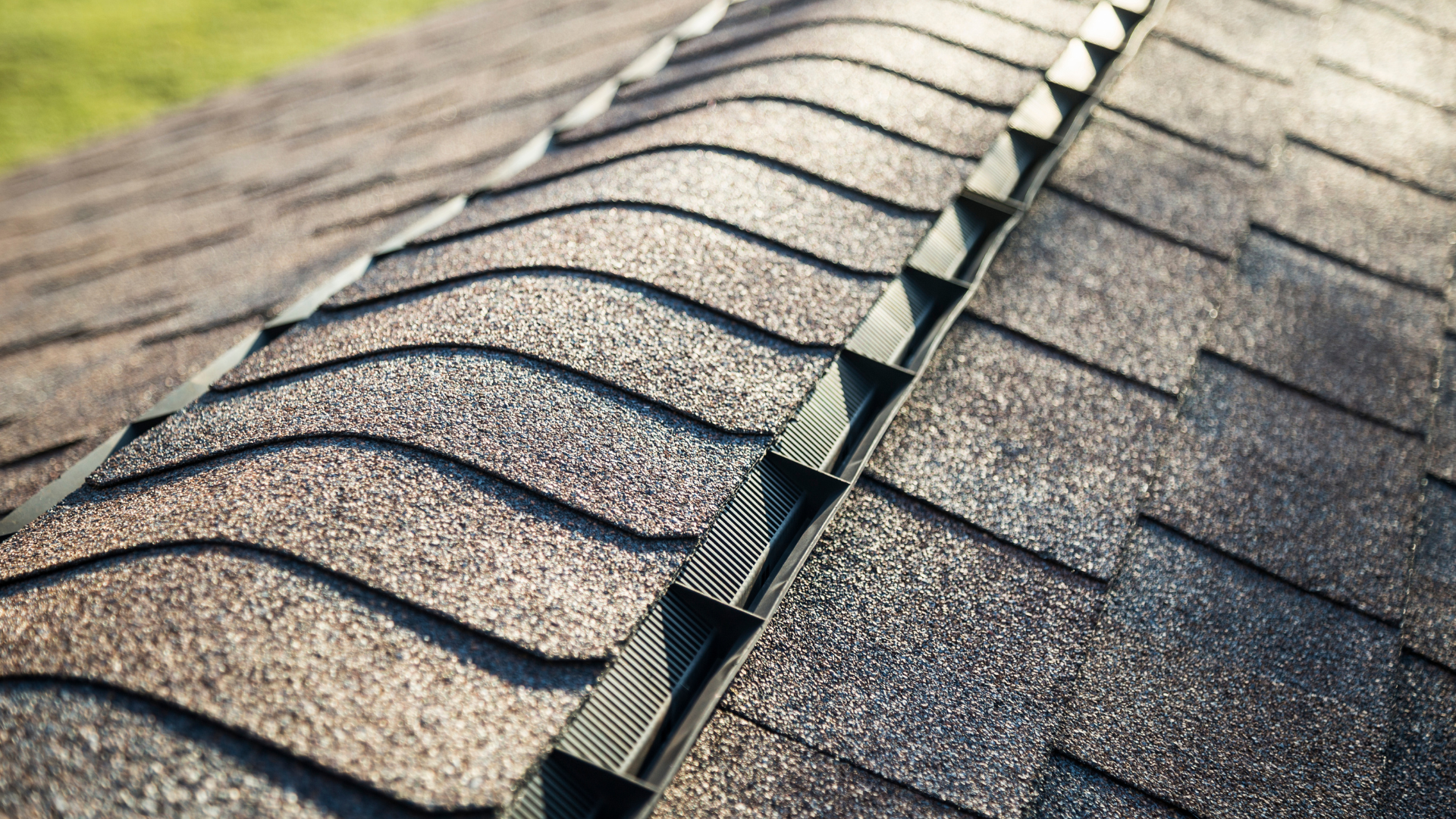
From the ground, look for missing, shifted, lifted, or torn shingles. Check for roofing material in the yard and visible changes along roof edges or ridgelines.
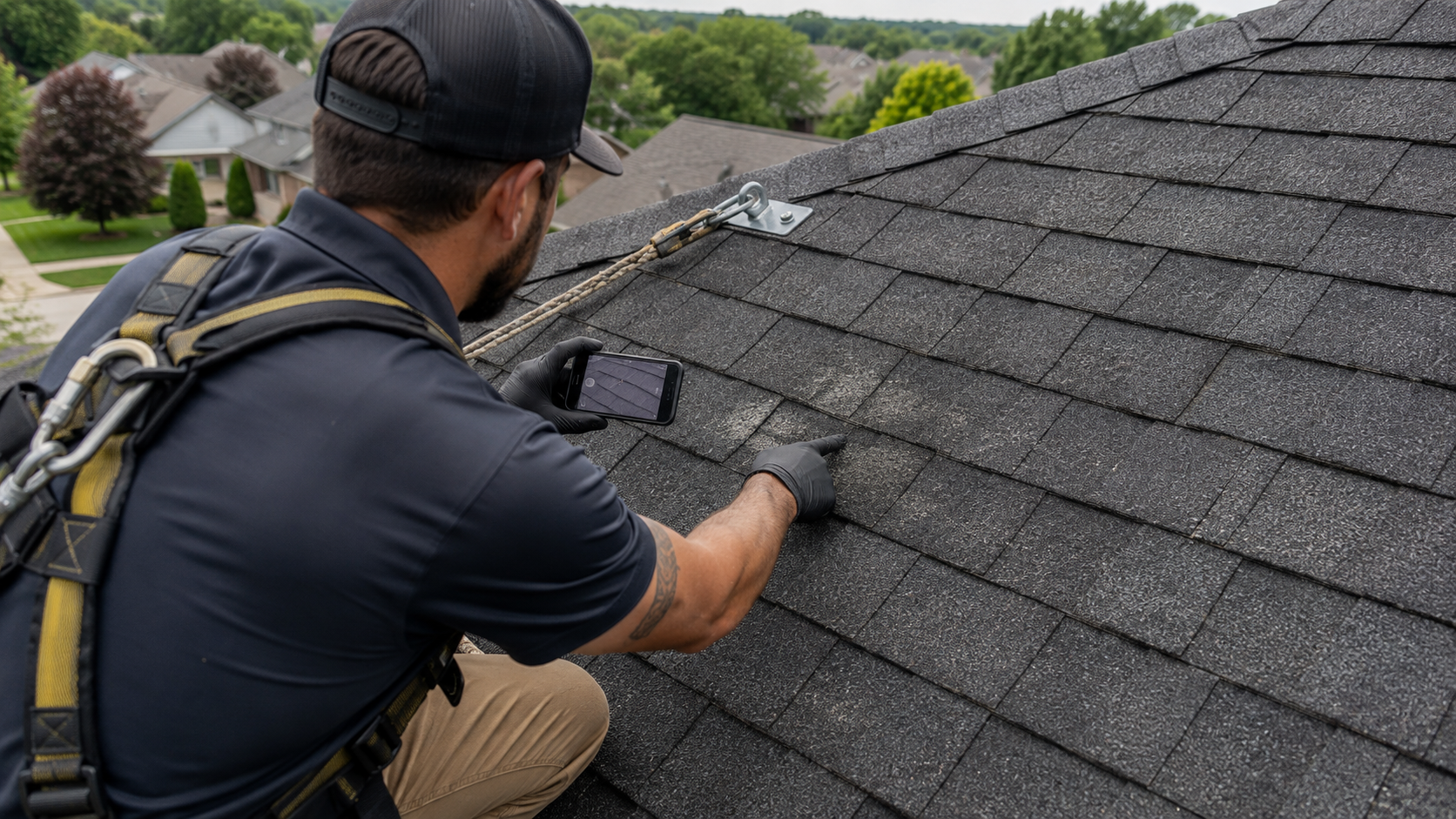
A professional roof inspection may identify less obvious concerns, including:
- Hail impacts or bruising on asphalt shingles
- Creased shingles caused by wind
- Damaged flashing around chimneys, walls, and roof penetrations
- Dents in roof vents or metal components
- Cracked sealant around exposed areas
- Damage around valleys, ridges, and roof edges
Check the attic and ceilings for new stains, damp insulation, dripping water, or changes in natural light. Photograph these conditions and note the room or attic area where they appear.
A lack of interior leaking does not necessarily mean the roof escaped damage. Some problems allow water to enter only during certain wind directions or after roofing materials deteriorate further.

Siding and Exterior Trim
Walk around the house and view the siding from several angles. Hail impacts may become more visible when light moves across the surface.
Look for cracks, chips, dents, holes, loose panels, and sections that have pulled away from the wall. Pay attention to corner posts, fascia, soffits, shutters, and other trim components. Wind can loosen these areas even when the main siding panels appear intact.
Document damage on each wall separately. Label photographs according to the side of the home, such as front, rear, left, or right. This makes the images easier to compare with an inspection report or repair estimate.
Windows, Screens, Gutters, and Downspouts
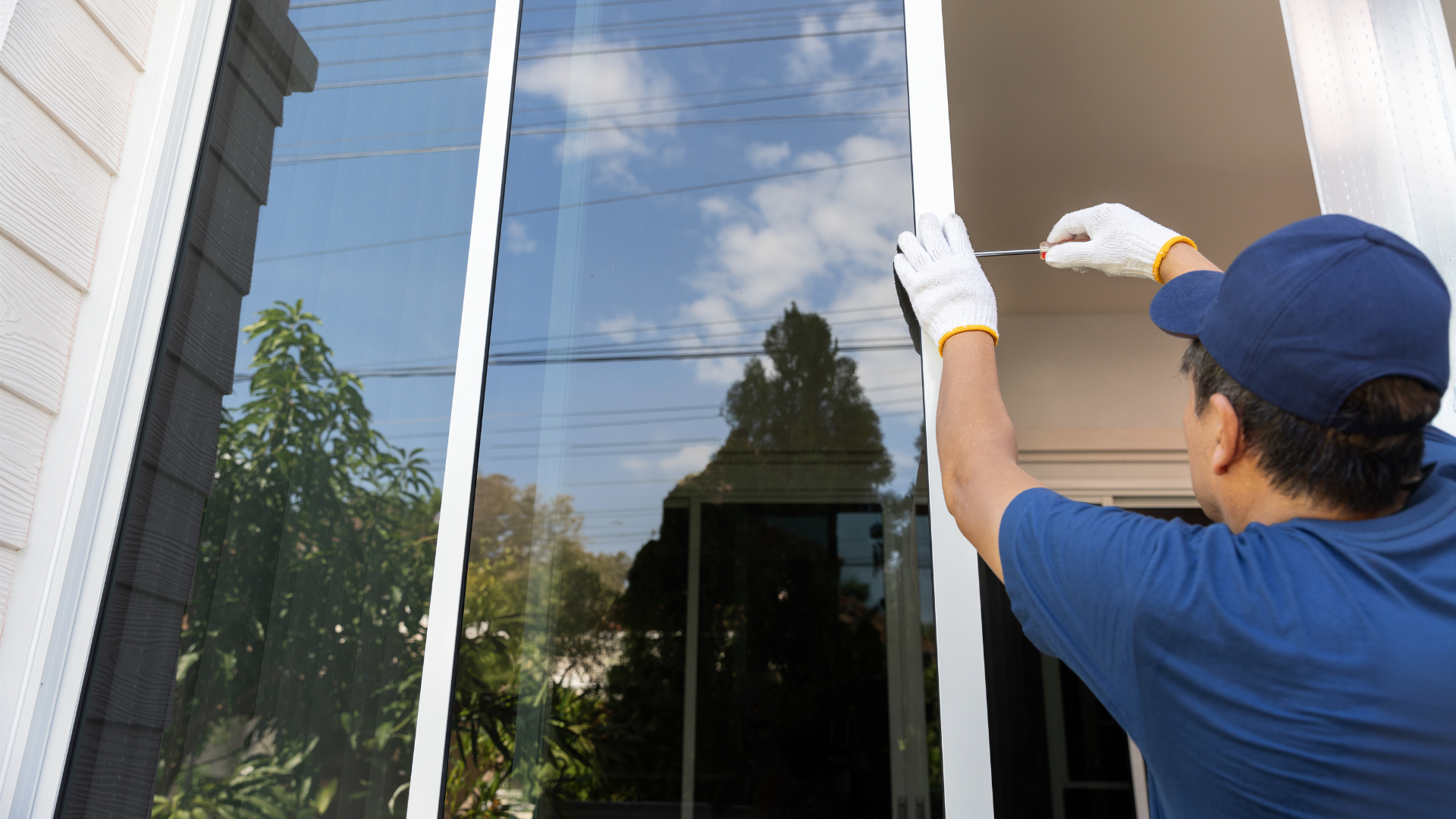
Check window glass, frames, trim, screens, and exterior seals. Small screen tears, cracked glazing, dented metal wrapping, and damaged frames may not be obvious from inside the home.
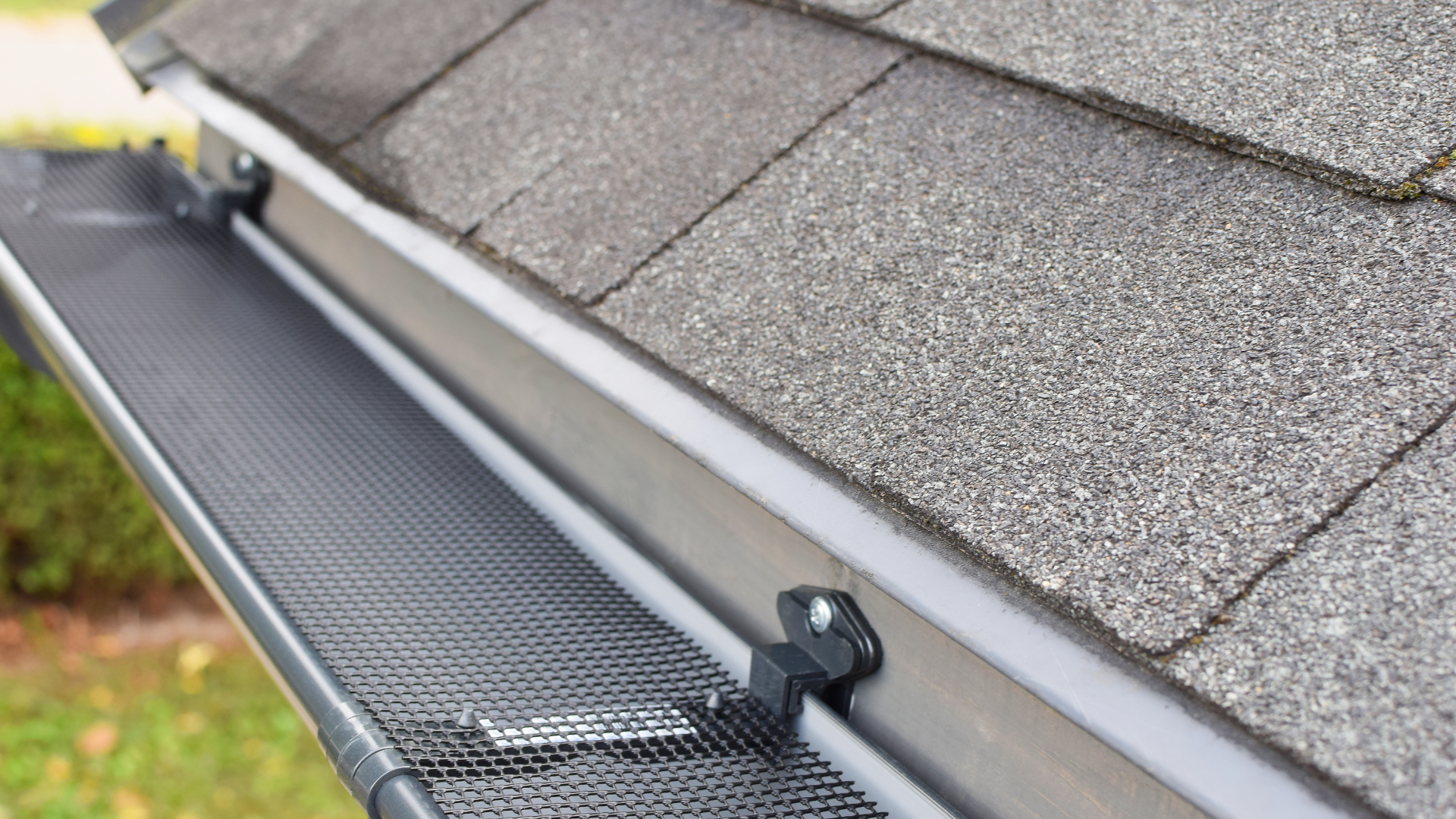
Gutters and downspouts can also show signs of storm impact. Look for dents, separated joints, loose fasteners, sagging sections, and areas that have pulled away from the roofline.
Photograph detached pieces before moving them. If a damaged component must be removed for safety, keep it when practical and ask the insurance adjuster whether it should be retained for inspection.
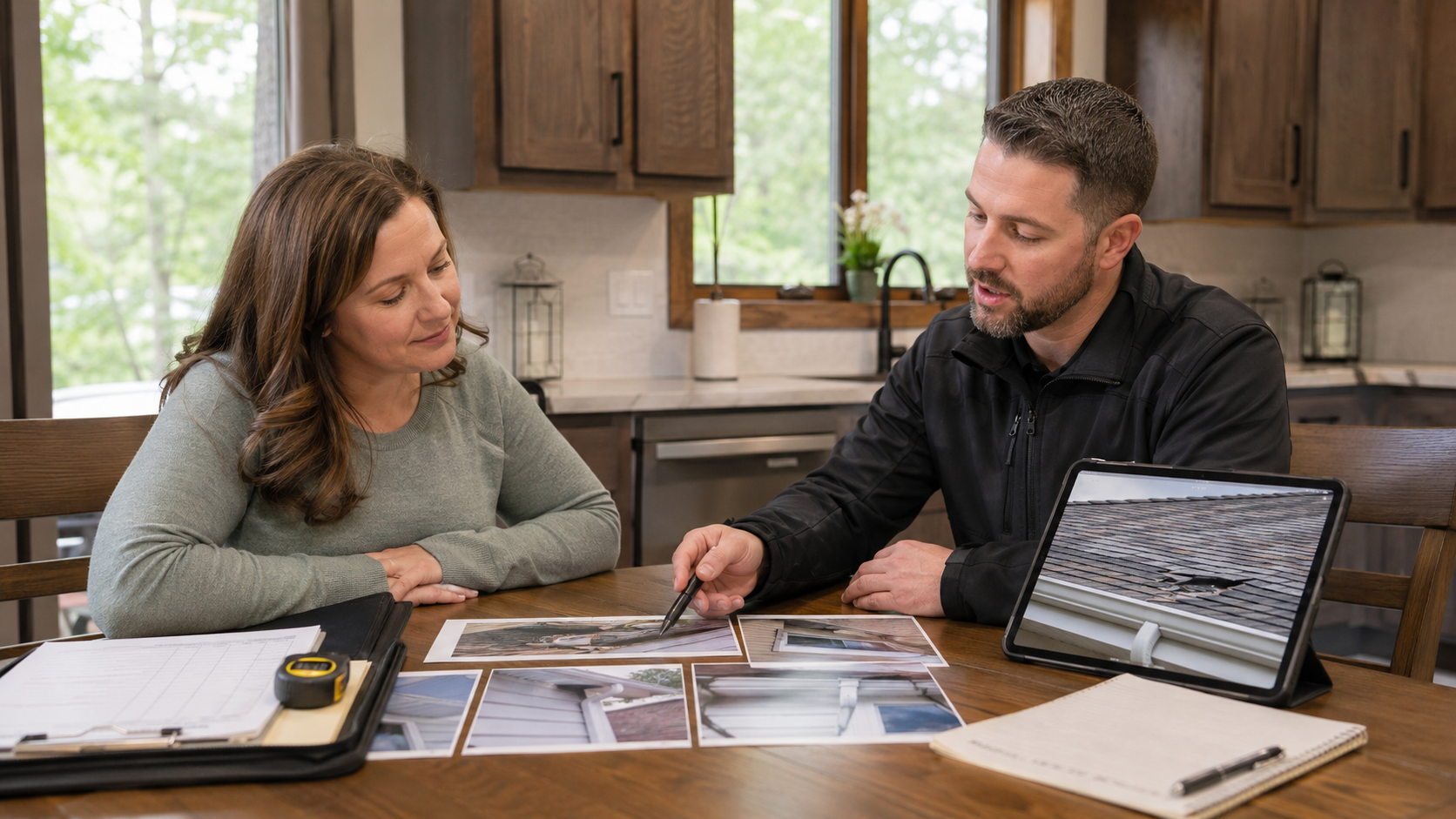
Get a Clearer Picture of Your Home’s Exterior Damage
Good documentation begins with safe photographs and careful notes, but a professional inspection can reveal storm damage that is difficult to identify from the ground.
Advocate Contracting & Restoration Services, Inc. has served homeowners throughout Southeast Wisconsin and Northeast Illinois for more than 47 years. Our team can inspect your roof, siding, windows, and other exterior components, document visible damage, and prepare a clear scope for the restoration work.
If a recent storm affected your property, call (262) 755-3382 or request a quote to schedule an exterior inspection. We will help you understand the condition of your home and the repairs that may be needed while your insurance company reviews coverage under your policy.